Indeed. But if you take out the magical calculator and throw all logic to the wind, AUMC is sitting on 60,000 tonnes of this primo material. That’s 130 million pound of high grade ore. You are 100% correct. Mining by jackhammer and avoiding all of that dilution of barren rock mumbo jumbo might get you to a 1000 pounds a day. At that rate you could easily get to 60,000 tonnes of a high grade stockpile ore in…..360 years. This actually seems like one of the more plausible assumptions on this board as of late. On a relative basis
An Oldie but goodie. It was just 4 years ago this image and post was made by ColdSnow. I think it’s well worth reviewing. Now that the FF plant is finally under construction, I wonder where we will be in another 4 years from now. As ColdSnow said back then; “We are all on the bus just for the ride.
Its been one hell of a long ride.”
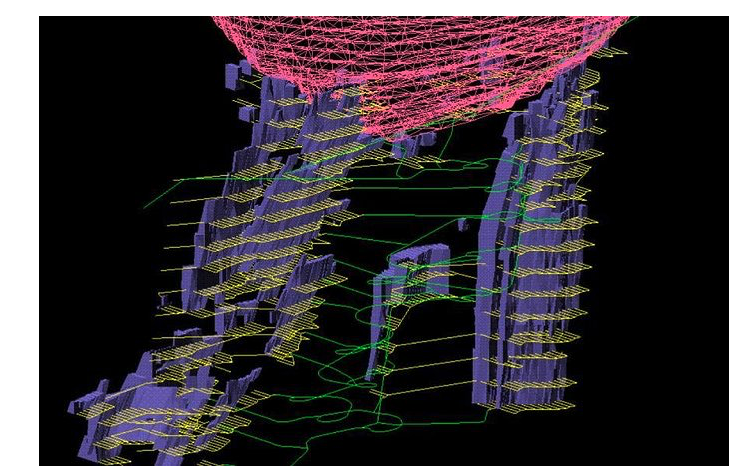
Sept 21 2021 2nd Half
ColdSnow:
That Brecciaboy was one of the finest explanations of a (our) mining site I have read. And I have read a lot. This type of post is what new investors that do not know much about mining need to read. Easy enough for even a financial advisor to understand even.
This is the earlier post by BB that CS was referring to:
Hi MrB,
That new video provided by Kevin was taken outside of the portal to the new Antonino Adit. Auryn intersected the Don Luis 1 Vein there 90 days ago so I’m not sure if that stockpile represents the first fruits of that intersection or not. You can see from some of the old gallery pictures how that Sullair 185 compressor sits next to that little pole structure with the black 55-gallon drum next to it. That older gallery photo was taken back when they were working on the entrance area to the new adit. This is located about 150 meters below the plateau surface. All of the production to date was taken from the old Fortuna Mine up higher in elevation. We know that about a year ago management sent in 9 tonnes of ore to ENAMI that came back with an average grade of 45 gpt gold. We also know that about 10 months ago the gallery on Auryn’s website showed Italo behind 54 tonnes of already crushed ore grading in between 62 and 85 gpt gold. We haven’t been told how many “working faces” were involved in this production effort at the old Fortuna Mine.
We also don’t know how much ore was stockpiled over the last 10 months after that picture of Italo was taken. Management’s projected goal was to be producing at the rate of 40 tonnes per day over that time period but they told us that they couldn’t match that projection until AFTER the new Antonino adit intersected the Don Luis 1 Vein. This was accomplished on June 23, 2021 which is now 3 months ago. So, there could be quite a bit of ore already stockpiled outside of the old Fortuna Mine as well as the new Antonino Adit. The new intersection with the DL 1 Vein via the Antonino Adit should provide 2 new “working faces”. One would be oriented towards the NNW and the other towards the SSE. Management also cited the plan to advance the Antonino Adit to the SSW past the intersection with the DL 1 Vein in order to intercept the two “massive veins” they found at surface during the trenching program. By “massive” management said they are referring to a vein over 2 meters wide at surface. Either one or both of these veins had 10 gpt gold ore within the trench.
The first of these two “massive” veins was located in close proximity to the DL 1 Vein and may or may not have already been intersected. I personally have mixed feelings as to whether or not I want management to concentrate on producing out of the DL 1 Vein through the new adit or advance further and go after the bigger veins. The DL 1 Vein (Don Luis 1 Vein) used to be referred to as the “Fortuna Centro Vein”. It was exploited from 1940 to 1970 averaging 64 gpt gold. All of these somewhat stellar grades that we keep reading about shouldn’t be that surprising. Averaging 64 gpt gold over the course of 30 years is what it is i.e. pretty darn impressive. Mesothermal vein grades tend to blow the grades of the much more common epithermal veins out of the water. The added bonus with the meso’s is that they widen with depth and they extend way, way, way deep. This sets up the potential for some very long mine lives.
We also need to keep in mind that at the ADL this is a VEIN SYSTEM. A VEIN SYSTEM involves a grouping of “related” veins that share the same characteristics and behavior. They are often oriented parallel to each other which we see at the ADL except for Merlin 3 which crosscuts the others. The fact that they are “related” has to do with their sharing of a common magmatic source/magma chamber as well as fault structures and parallel fault structures. Keep an eye out for the widths and grades of the DL 1 Vein at the 150-meter depth level. If it widens nicely with depth versus its width closer to surface and shows clearly better grades with depth then the same behavior can be expected with the other parallel veins that we know less about. The Auryn trenching program revealed 5,000 meters of veins having made it all of the way to surface. This doesn’t count the subparallel veins, bosses and plugs that didn’t make it to surface. “Crosscut adits” like the Antonino Adit can be expected to pick up some of these subparallel structures. Management noted intersecting two new vein structures early on during the drifting of the Antonino Adit. This is a very busy VEIN SYSTEM.
Being “mesothermal veins”, all of the veins intersected at surface would be expected to widen with depth and also often be richer in grade with depth. Management recently took 19 samples from the DL 1 Vein area. Twelve were from Shaft #1 of the old Fortuna’s 7 pre-existing shafts. The grades within the shaft clearly improved with depth and management noted that the structure was indeed widening with depth. This is the hallmark of a mesothermal vein. As the exploitation efforts proceed through the Antonino Adit (now acting as both an exploration and production adit) the geoscientists will get a much clearer 3-dimensional picture of this sheet of plywood-like planar structure known as the DL 1 Vein. The historical production efforts taught us all about the top border of this sheet of plywood. The recent shaft sampling taught us of how the grades and widths behave with increasing depth along the side of the sheet of plywood. The recently initiated production efforts will tell us how this sheet of plywood looks at the 150-meter depth level below the plateau surface. This allows the P. Geos to block out Mineral Reserves and Mineral Resources (MR/MR). This information might then be extrapolated towards the veins that we know a lot less about with varying levels of statistical certainty.
It’s critical to keep in mind that we also know a lot about the Merlin 1 Vein and the Caren Mine well to the west of the DL 1 Vein BUT WITHIN THIS SAME VEIN SYSTEM. At surface it looks an awful lot like the DL 1 does. From surface down to the 140-meter depth level from the plateau we know a lot about what’s going on because of the 3 adits drifted there. At the 140-meter depth level we know a lot because of the Larrissa Adit work that has been completed. What did they find in the Merlin 1 Vein at these various depths below the plateau surface? They found the same type of “bonanza” grades that they’re finding at the DL 1 Vein. This is how VEIN SYSTEMS tend to act. Might one expect the veins in between these westernmost and easternmost members of this VEIN SYSTEM to behave similarly?
From a production/future earnings point of view, the one mining industry term that jumps out at me is SCALABILITY. How much work would it take to go from, let’s say, 40 tonnes per day production to 80- or 120 tpd in production? The number of “working faces” being simultaneously mined as well as the number of shifts per day during which the mining occurs is what provides the SCALABILITY. Transitioning from one working face being mined on a one shift per day basis to 6 working faces being mined on a 3 shift per day basis represents an inordinate amount of SCALABILITY. The other thing that jumps out at me is the need to periodically step back from concentrating on just the mesothermal veins and put on the telephoto lens. This extremely rich VEIN SYSTEM is in turn part of a much larger HYDROTHERMAL SYSTEM that is the backbone for the overall ADL MINING DISTRICT. The magma chamber and the area above its roof/carapace that generated all of the hydrothermal fluids and gases that filled up these veins later becomes less active and solidifies. It becomes what is referred to as a PORPHYRY. These are usually relatively low-grade and their ECONOMICS are supported by their immense size and ability to be exploited via low-cost bulk mining methodologies.
Developing a PORPHYRY or TWIN PORPHYRY deposit is a totally different animal than exploiting extremely high-grade near surface veins. There typically aren’t many early production opportunities associated with porphyries. Instead, there is a very methodical process that needs to be engaged in with the goal of proving up the ECONOMICS of the deposit for later exploitation. At the informational meeting in Las Vegas about 5 years ago, Maurizio made it very clear that Auryn had the financial wherewithal to put the veins into production but that the porphyry opportunities would need a major miner or perhaps even a consortium of majors and mid-tier miners. It is the characteristics of the magma chamber itself that is the common denominator for both of these efforts and the development of the vein aspects of the mining district should provide a window of learning for those interested in the deeper structures.
Scalability???
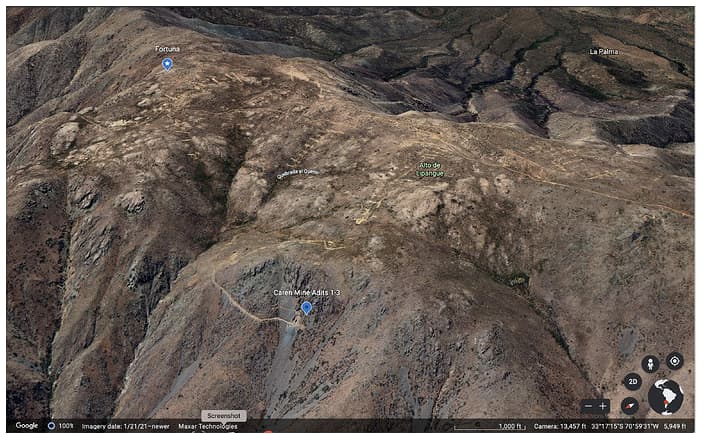
I like the vision that was presented coming to fruition now.
EZ
6 Likes
Great videos !
1 Like
Thanks Rod,
That whole series of 5 short video clips was to provide a general background of how underground mining is done by the “big boy” miners and not specific as to what is currently occurring in the bootstrap operation on the DL veins. That is also why I provided the “extra” variation on specialized shrink stope mining not covered in the videos. Shrinkage stopes are useful in some mining situations that meet very strict conditions as AI had described.
EZ
1 Like
From the July 2025 – Shareholder Update:
In parallel, our Geology team has completed a technical plan to expand production capacity at Fortuna from 1,000 to 3,000 tons per month. This will be achieved through horizontal extensions of the existing tunnel network, accessing nearby vein systems and ore from the upper level historically referred to as Fortuna 1913. It is important to clarify that these extensions do not involve vertical mining or structural changes to the historic mining layout.
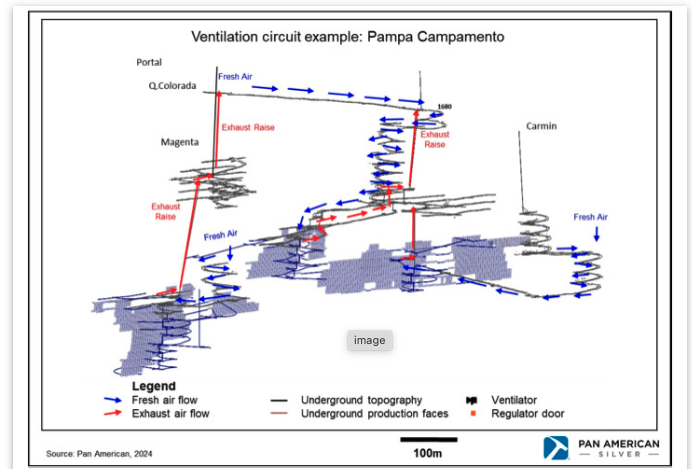
From the above diagram at the El Pinon mine I can envision how the the multiple main veins of the vein set on the ADL may eventually be connected and exploited. This is a slow tedious process de-risking and providing the proof of concept for an economic plan resulting in profitable exploitation. As previously discussed extensively by BB, a spiral decline is a highly efficient access method for a deep, narrow, high-grade mesothermal gold vein, that will enable modern mechanized mining techniques to maximize ore recovery while carefully managing the surrounding micro-gold fractures. Gold deposits form when hot, mineral-rich fluids circulate through the Earth’s crust. “Shatter zones” or alteration halos, with their network of intersecting cracks and fractures, provide ideal pathways for these fluids to travel through and deposit gold, quartz, and sulfide minerals. As fluids pass through the fractured rock, changes in temperature, pressure, and chemistry can cause the gold to precipitate out of the solution. “Shatter zones” or alteration halos often concentrate these precious metal deposits, creating high-grade ore shoots within or near the main vein structure. The gold-bearing mineralization is not confined to the narrow vein alone. A “shatter zone” with an alteration halo can expand the total mineralized area, adding valuable tonnage that would be overlooked if miners only focused on the visible vein.
Visualize the main spiral decline strategically driven down in the stable waste rock adjacent and parallel to the main DL vein. This ensures structural stability and avoids unintentional early mining of the high-grade ore. Thus, the bulk of waste rock is removed during the construction of the access decline and adit in preparation of the stope mining that is employed to extract the hi-grade ore in the main veins and surrounding rock. Look at the schematic drawings I sent 4-5 days ago of a spiral decline with lateral drifts to see how I visualize work will progress at the Fortuna Mine main DL adit. The main take away is the drifts off the main spiral decline are all horizontal following the main DL vein in two opposite horizontal directions ( 2 faces). One drift follows the vein in the NNW direction and the other drifts SSE. As the spiral decline advances down through waste rock parallel to the DL vein, another horizontal drift is started some 20-30 meters below the drift above and following the vein above. This 2nd lower level drift follows the vein as it advances in both NNW and SSE directions. The spiral decline is again advanced down vertically through waste rock off the main vein to grab the next lower section of the vein.
This is a description of how to visual the 3D progress of the mine’s progress to form the structures necessary to build the stopes that will be collapsed between the horizontal drifts formed at levels 3-7 that follow the main DL vein deeper and deeper. All these drifts are somewhat stacked on top of one another that are first mined (later form stopes for bulk ore collapse) and are all connected to the Spiral decline used to haul the ore back to the surface. The ore between the drifts is later collapsed section by section in the drift below from the drift above. This is how the ore is harvested in both a horizontal and vertical direction in stope mining to collect the highest-grade ore in the main vein.
Perhaps BB will expand upon my attempt to form a mental 3D image of the process and make any corrections needed. As this year is wrapping up, Auryn is making progress!
EZ
5 Likes
Another LOAD of pictures was posted today by Auryn (thank you, guys) for the time period December 1 through December 5. It’s very obvious MC is a BUSY MAN - and from the looks of all that equipment, this is not a rookie operation, MC knows what he’s doing, he’s no Parker Schnabel. But, I’m sure BB has a better-trained eye than mine.
Madmen - I sent you all the new pictures via DM (it worked) instead of cluttering up the board here - and I apologize to all for having done so before.
4 Likes
Post the pictures, its not cluttering the board. This board needs substance and the the pictures are welcomed. Thanks in advance.
6 Likes
Was hiking all day yesterday, just seeing those pictures now, on the private message you sent me, Mister B.
I loved seeing them.
Very impactful – looks like these folks mean business!
I can’t imagine anyone will begrudge the fifteen seconds it takes to flip through them.
– madmen
1 Like
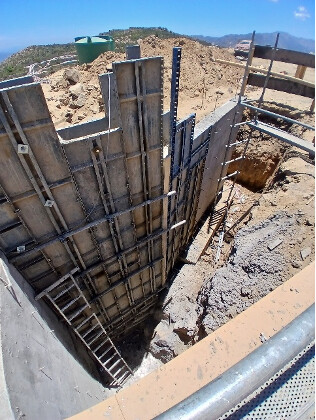
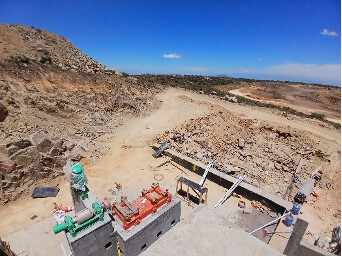
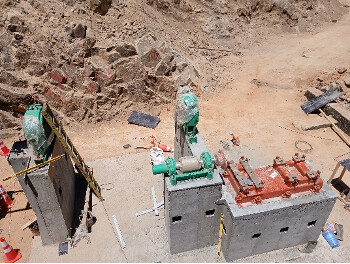
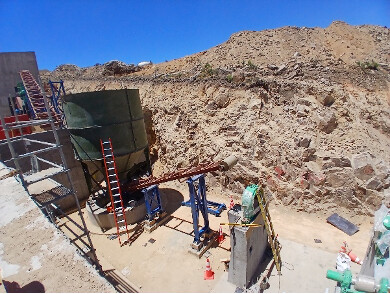
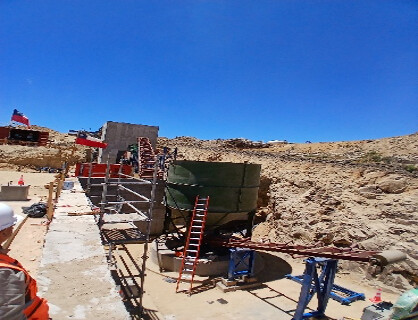
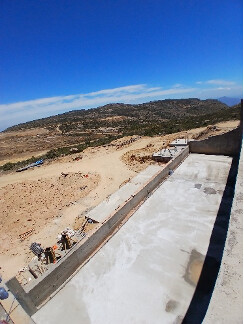
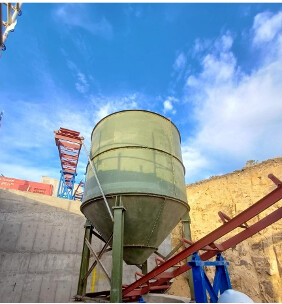
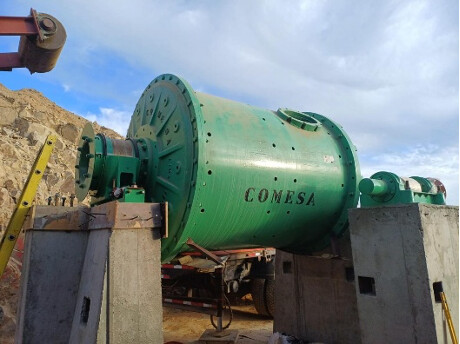
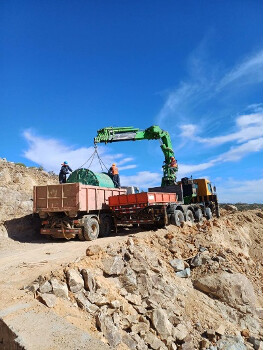
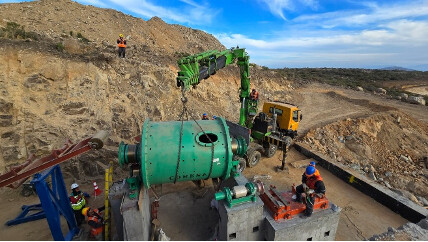
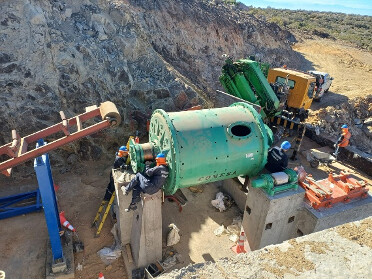
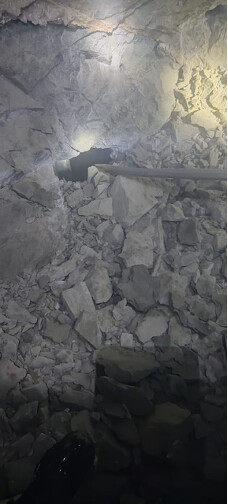
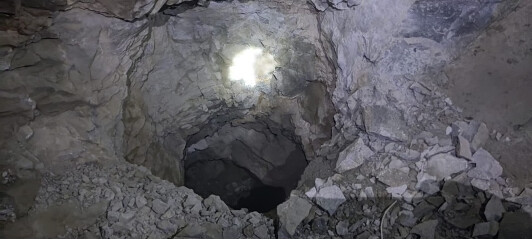
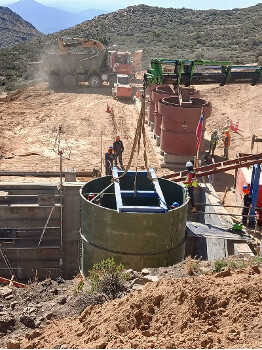
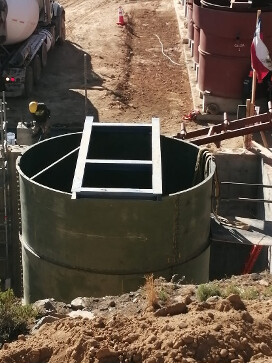
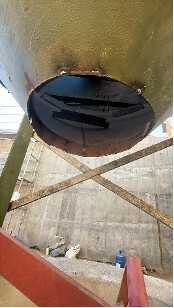
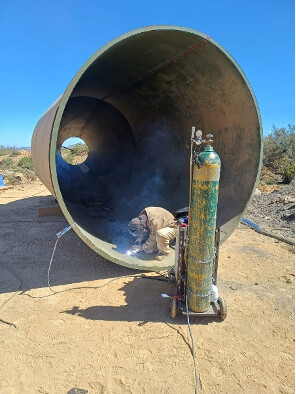
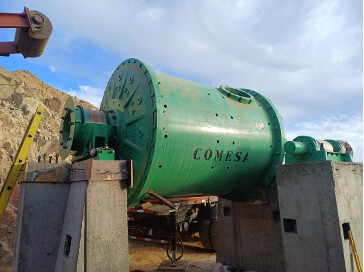
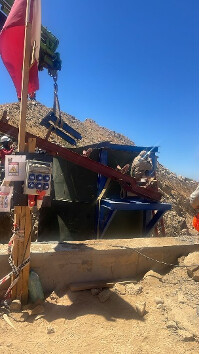
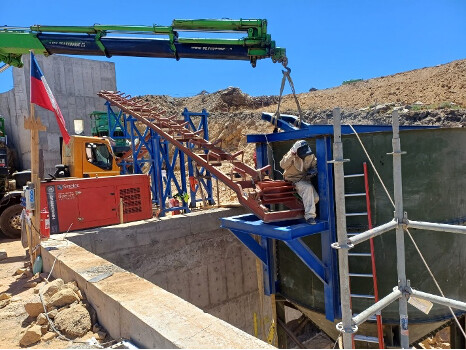
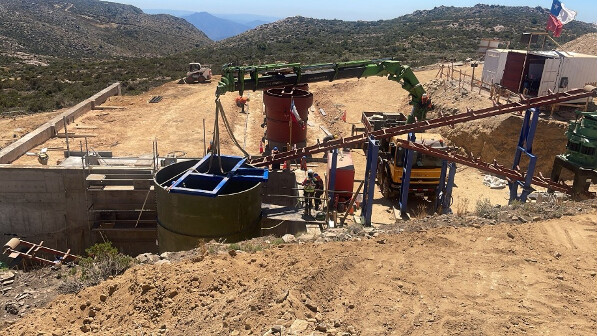
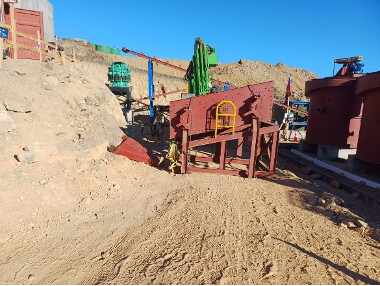
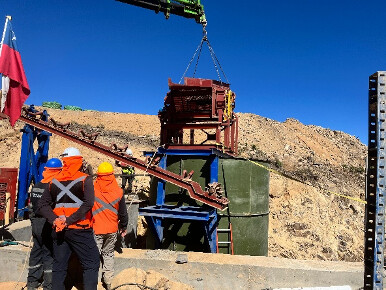
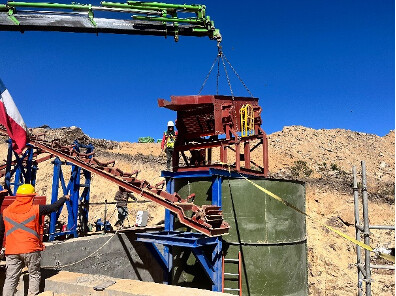
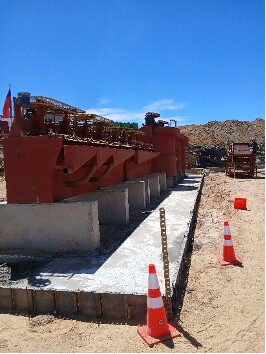
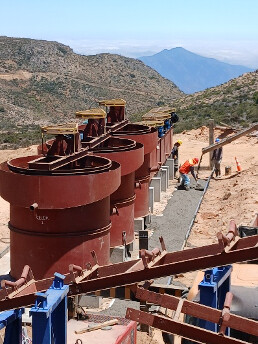
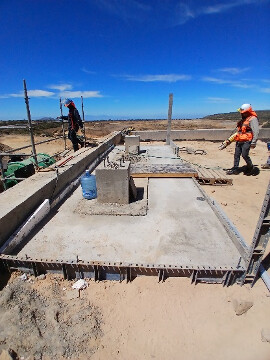
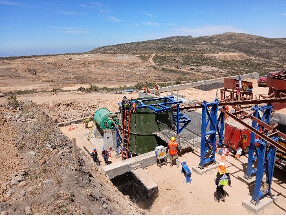
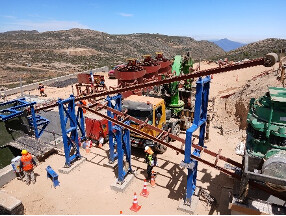
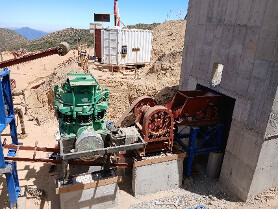
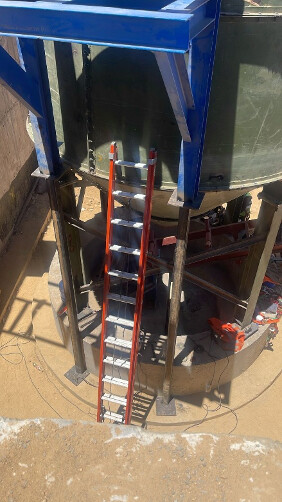
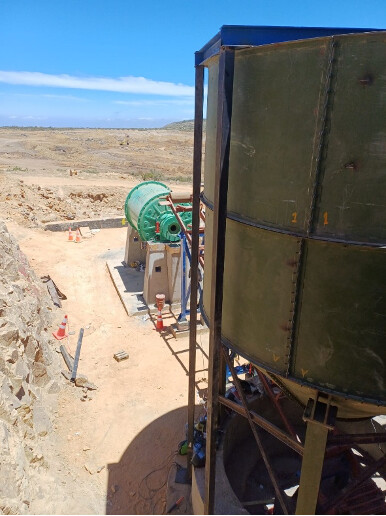
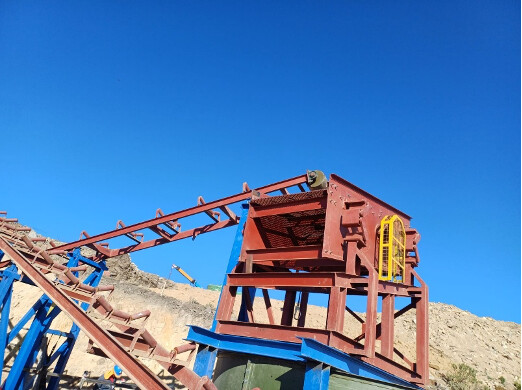
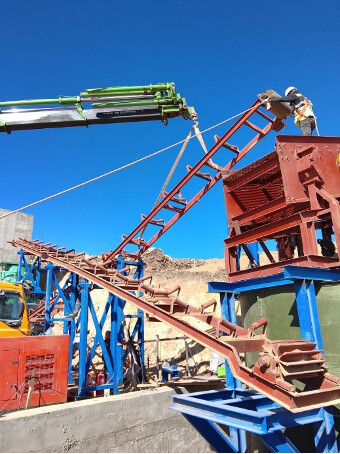
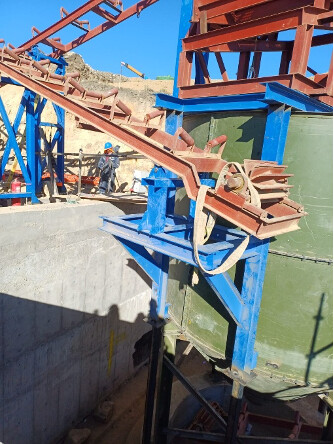
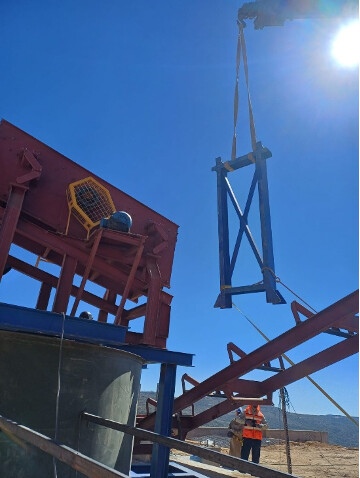
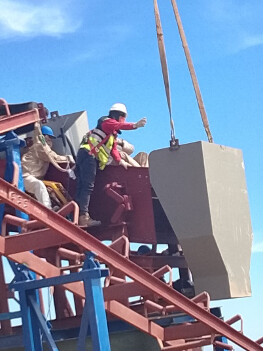
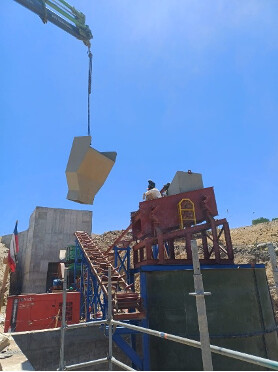
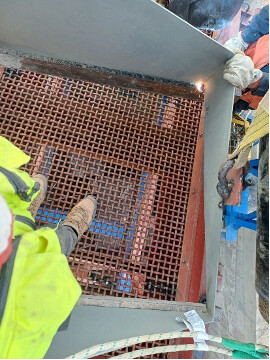
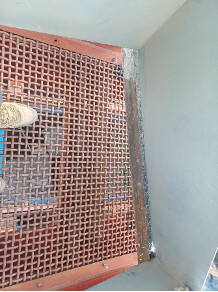
Seems to me MC is just as excited about getting this thing cranked up as we are. Can’t blame him, like many here he has his hard-earned money poured into it and wants to get it back.
10 Likes
That’s a beautiful site! Thank you for sharing!
7 Likes
Thank you mrbubba for those photos. My wife feels way better after seeing them!
3 Likes
Thats funny but very true I’m guessing. So many people I’ve introduced or got roped into this are skeptical at best, and at worst think this is a made up story/scam.
1 Like
I have close friend who worked for a seismic exploration company in the area. He is still skeptical because of lack of drilling. I am not. He still has contacts in the area and will try to get in touch them. Me? I’ve been here since about 1998 and am very exited to see construction. I’ve spent the last 15 years of my engineering career designing gold recovery equipment for various clients. Every thing from flotation cell to carbon regeneration kilns, and electro winning cells. So I am very excited to see this equipment being set up. I won’t take long.
Off topic does anyone know anything about the re-opening of the Bunker Hill Mine in Kellogg Idaho?
4 Likes
Hey Stratman, when you look at those pictures, I guess you can actually know what you’re looking at, right?
One of the lingering questions I have is the potential ramp-up, and more specifically how many tonnes per day is it looking like that equipment can process? Is that something you can tell just by looking at those pictures?
1 Like
FROM THE 7/15/25 QUARTERLY UPDATE:
“In parallel, our Geology team has completed a technical plan to expand production capacity at Fortuna from 1,000 to 3,000 tons per month. This will be achieved through horizontal extensions of the existing tunnel network, accessing nearby vein systems and ore from the upper level historically referred to as Fortuna 1913. It is important to clarify that these extensions do not involve vertical mining or structural changes to the historic mining layout.
To execute this expansion, we will apply for a new exploitation permit in addition to the current one already in place for Fortuna. We anticipate submitting the permit application in the coming weeks (+/_ 8/1/25?) and expect approval by the end of 2025. Until then, operations at Fortuna will continue under the existing authorization at 1,000 tons per month."
FROM THE NEWEST BATCH OF PHOTOS POSTED ON AURYN’S “X’ SITE:
In addition to all of the new construction images, three of the new photos showed intra adit mining operations. If you download those 3 images and open up the files, you’ll see them as being labeled “12 of 41”, “13 of 41”, and “14 of 41”. My guess is that these photos were taken from the area of “Fortuna 1,913” (cited in the above quarterly update) aimed slightly downwards to that new adit/”raise” coming up from level 3. If true, this would be that new “horizontal extension” management was referring to.
If this is the case and the approval was already received or is about to be received (“expected approval was by the end of 2025”), there will be 2 new operations put online at “Fortuna 1,913”. Each will contribute another 1,000 Tonnes per month, bringing the total to 3,000 TPM from just the DL2 Vein. 3,000 TPM equates to about 100 Tonnes Per Day, based on a 30-day work month) which is the initial nominal throughput of the new FF plant.
I’m going to guess that Auryn will be sending to the FF plant the highest-grade ore from the 60,000 Tonne stockpile as well as these 3 other operational sites. This would put a constant upward force on the “AVERAGE GRADE” being processed which would maximize FREE CASH FLOW.
The Caren Mine is supposed to be kicking in another 1,000 TPM at about the same time that the Fortuna 1,913 operational sites were kicking in. Once the Caren Mine got its approval, Auryn was going to file a “follow on application” to SERNAGEOMIN for yet another 1,000 TPM operational site related to the Caren Mine. This would result in about 5,000 TPM, in total, aimed at the new processing facility. This might provide pressure on Auryn to crank up the “daily throughput” of the new FF plant via adding new “cells”, “banks of cells”, or “flotation columns”. You might recall how Dr. Helmut Mischo, Auryn’s collaborator from a distinguished German Mining University, predicted that once Auryn got the “flow sheet” dialed-in at the new FF plant, then scaling up production would be very “straight forward”.
3 Likes
As much as you love hearing from me, I couldn’t resist. The nameplate capacity is 100tpd. This means they can probably get up to as much as 80-90tpd if there’s enough ore to process. I appreciate that some have suggested that an increase in capacity may already be under way but that’s just not how things work in mining.
Assuming they have or will soon receive permitting, it will be specifically for 100tpd. AUMC would need to resubmit an application before increasing capacity but would be insane to do so until they have succesfully commissioned the plant in its current design. This being said as long as the plant being built is modular and assuming the current plant is a self-contained modular 100 tpd flotation train (crush/grind/classify → flotation → concentrate handling → tailings).Addining another 100tpd would most likely invovle copying the existing 100 tpd module and running two modules in parallel to get 200 tpd. The biggest bottleneck would be the jaw crusher or bill mill grinder. If those can handle 2x the volume it would a huge time and cost savings.
Below is a typical equipment list that will either be added (parallel train) or upsized/replaced:
Primary process:
- Additional/upsized crushers or feeders (if feed rate to plant doubles). (unless it can already handle the higher volume).
- Additional or larger grinding mill (ball/rod/SAG) or second parallel mill unit. (unless it can already handle the higher volume)
- Additional cyclones or larger classification system (hydrocyclones, screens).
- Additional flotation cells / columns or larger cell banks (maintain residence time). For 2× feed you either double the number of cells or increase cell volume/power.
- Additional agitators / flotation air supply (air compressors, blowers) sized for increased gas flow.
- Larger/more powerful flotation cell drives (motors, gearboxes), spargers, launders.
Pumps & piping:
- Feed slurry pumps, recirculation pumps, reagent dilution pumps — higher Q and possibly higher head.
- Larger pipelines and valves to prevent cavitation and increase slurry velocity control.
Reagents & water:
- Increased reagent storage tanks, dosing pumps and piping.
- Water make-up capacity and reclaim circuit upgrades (clarifiers, filters).
Concentrate & tailings handling:
- Additional or larger thickeners and flocculant dosing.
- Additional filter presses / belt filters, or larger slurry pumps for tailings.
- Increased tailings storage capacity / TSF/paste plant changes or legal disposal arrangements.
Utilities & infrastructure:
- Higher capacity power transformer(s), switchgear and MCCs.
- Increased compressed air plant (compressors, dryers, receivers).
- Cooling water (if required), HVAC for control rooms.
- Additional structural supports, walkways, and access.
Instrumentation & controls:
- Expanded PLC/SCADA, more sensors (flows, levels, densities), and updated HMI screens.
- Safety interlocks and more sampling points for process control.
Site & civil:
- Foundations, bunding and concrete pads for new equipment.
- Conveyors and hoppers if solid handling is increased.
- Increased capacity for roads, crane access during installation.
Adding capacity is not like adding a wing to your house but assuming they have already anticipated an eventual expansion in their design/infrastructure etc. its in the realm of possibilities for 2027 if all goes well.
3 Likes
BB. Serious question for you. Let’s assume that AUMC cleared approximately 10k tonnes in chasing the DL (give or take 5k tonnes) which was accomplished in December of 2022 or 36 months ago. I won’t bother debating on how much of this tonnage would have been barren rock vs. valuable or but the general guidelines would be as followed:
1. Shrinkage stoping / cut-and-fill narrow vein mining
- Dilution: 20–60% (meaning 20–60% of what is mined is waste).
- Waste:Ore ratio: 1:1 to 0.3:1 waste per tonne of ore.
In other words, taking the most aggressive assumptions, AUMC may have been able to stockpile 8k tonnes (10k tonnes with only 20% barren rock, which is basically impossible but fine for the purpose of this dicussion.
After finally locating the vein the company spent several months on the ventilation/chimney (40 meters) along with a gallery (50 sq meters). As a point of reference there are about 150 tonnes of rock in 50sqm. The chimney was completed in August of 2023
In October of 2023 the company stated the following, clearly indicating a start/stop mining process (to be kind):
The recent winter season posed unexpected challenges at our Fortuna site, with an increased frequency of disruptive weather events such as rain and snow. This led to multiple temporary cessations and evacuations of the site over the past two months.
Accumulated water within the site has become a substantial operational issue. It demands additional time and resources for removal and has disrupted regular activities. As we transition into spring, it’s evident that traditional seasonal patterns are becoming less reliable.
In January 2024 the company stated the following:
Our mining team is diligently carrying out ore extraction and accumulation directly from the vein on a MODEST production scale.
And in April of 2024 AUMC accounced that all mining activities were halted as the company wanted to shift its focus on building the plant.
While hard to speculate it read as though production may have started up again as of October when the company reported:
Antonino Tunnel Operations*: Our focus has been on preparing the Antonino Tunnel for optimal production and accumulating ore for future processing.
In October of 2024 they added that they were hoping to have 20k tonnes of stockpiled ore by the time the plant was operational.
In July of 2025 the company stated that they were still waiting on the addtional exploitation licences (1000tpd at Caren and another 2000tpd at Fortuna) and related to current mining:
We remain focused on beginning mineral extraction from Fortuna within the current quarter and reaching a regular production level of 1,000 tons per month in the following quarter.
And finally in October they indicated they were still waiting on approval for the 3000tpd BUT were targeting 28k tonnes tonnes for the plant with a total of 60k tonnes of presumably low/no material.
My question: if the company was only allowed to mine 1000 tonnes per months how did they end up with 28-60k tonnes of stockpiled material? Its only been three year since finding the vein and many ir not mostt of those months of mining were either completely halted or running at a very slow (modest) pace. Any acitiviity prior to or in the process of finding the DL would not have yielded anywhere near the tonnage they are describing and, even in their latest update they make it very clear that they ARE NOT mining 1000 tonnes each month (hoping to by EOY).
While I know your immedidate reflex is to just assume the best scenario (which has historically NOT worked out very well), I’m curious to hear anyone’s thoughts on how the math works out. There are many, many claims made by the company over the past decade that have been “less than accurate.” How does 5 year of mining (1000tpm) accumulate over a 12-20 month period of mining. If Maurizio was “throwing the barren rock off the cliff” this math becomes even more difficult to fathom (given that well over 50% of the 1000 tonnes of mined ore each month would not warrant being stockpiled. Enquiring minds want to know.
Geez, you actually started about the same time I did, and made it through the cesspool of promises. And you’re still here. I figured I was one of the last alive.
1 Like
Me Three! Been here just as long and sunk a bunch into the empty promises. Unsettling to say the least to see mdmn worthless in accounts. They better come through on AUMC share distribution!
3 Likes