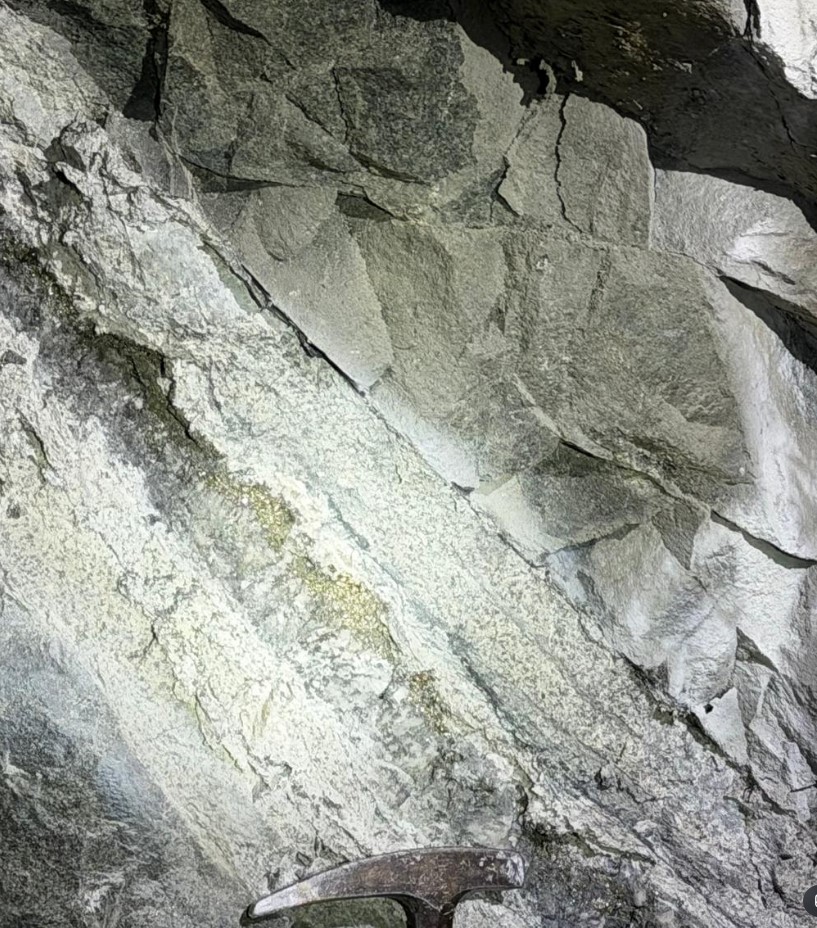
Hi EZ,
Sure, I remember that pictorial. It’s very helpful in outlining “boiling zones”, where the concentration of gold can get a little crazy. Magma chambers deep in the earth’s crust will periodically build up pressures when the feldspars start crystallizing. The pressure causes the roof/carapace of the chamber to burst and super-hot pressurized hydrothermal fluids and gases escape and migrate upwards where the pressures are lower.
The gold fraction will tend to travel with “chlorite” or with sulfur as a “thiosuphate complex”. If these complexes migrate into an area closer to surface where the pressures are low, the fluids and gases will RAPIDLY COOL. This induces “BOILING” and the energy from the BOILING will sever the bond between the gold and sulfur atoms this allows the gold to pile up in very high concentrations. It seems a bit odd, but these fluids are so hot that they need to cool in order to BOIL.
These things called “silicates” are also contained in these fluids. When the ambient conditions allow RAPID COOLING, these silicates will precipitate out as a form of quartz known as “CHALCEDOIC QUARTZ”, or milk quartz or aphinitic quartz, or microcrystalline quartz. Thus, in nature, CHALCEDONIC QUARTZ will tend to coexist with very high-grade GOLD.
EZ, in your pictorial, look to the left-hand boundary. Note the references to “chalcedonic replacement” and “microcrystalline replacement” at the same place where the high-grade gold was found. There is another pictorial that Auryn put out as part of a press release. It showed a classic “boiling zone” where the veins are nick and wide before they choke down to an “epithermal vein”. The good thing about “BOILING ZONES” is they’re extremely thick vertically. They average about 350-meters and can extend to up to 800-meters. I wish I could find that pictorial, it’s really well done. It was accredited to “Buchanan” in Auryn’s PR but he stole it from Greg Corbett, from NSW, Australia.
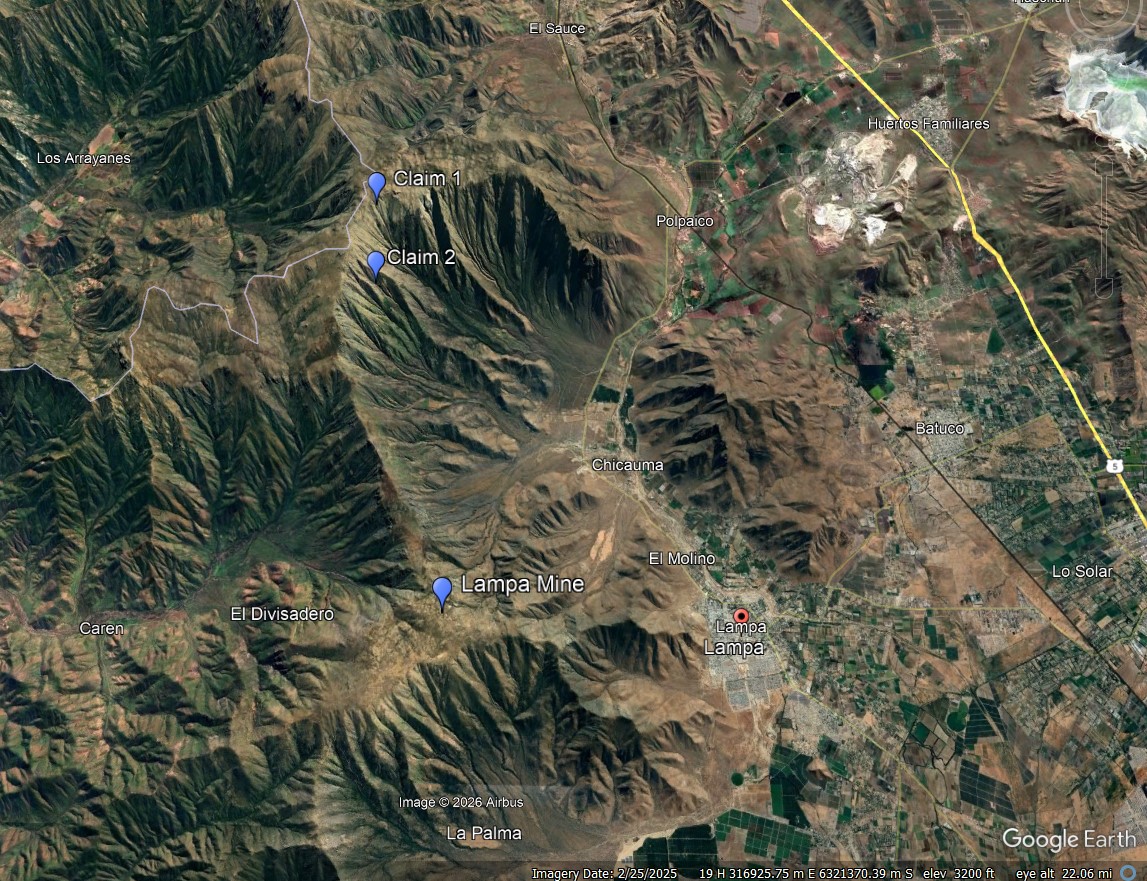
EZ, in your pictorial, look to the top right where in red it says “continuous gold anomalies at surface”. This is the Merlin 1 Vein which showed insane results in trench sampling. At the very surface, Auryn averaged 26.9 gpt gold (volume weighted average i.e. the accurate way to measure.) This whole area where the 3 adits are shown is what used to be called “The Caren Mine”. The original plan was to go in at Adit #3 and develop that area. Auryn drifted a very long adit and had nice findings. SERNAGEOMIN insisted that Auryn put in 3 vertical raises (each about 140-meters in height). The cost would have induced major league share structure dilution. Maurizio, the consummate hater of share structure dilution, said we’re going on to Plan B and develop the Fortuna Mine first in order to get the cash flowing. In a press release that Auryn put out, it looks like the new plan for the “CAREN MINE” is to start production AT SURFACE, via a spiral decline to the south and a ramp decline to the north, and work your way down to the Adit #3 level and bring the superior ventilation in that manner. It makes good sense.
EZ, as far as your synopsis on SUPERGENE ENRICHMENT ZONES (SGE zones), you did a good job. Near surface “pyrite” (iron sulfide) gets dissolved by meteoric water (rain water) and it turns into an acid. The oxygen dissolved in rain water “oxidizes” the ore it can reach. “Oxide” ores are soluble (dissolvable) in acid solutions. The metals in the ore dissolve and head downwards in the rock strata until they find a “reducing environment” (oxidation and reduction are polar opposites) where the “oxidation” is reversed. This is usually right below the water table.
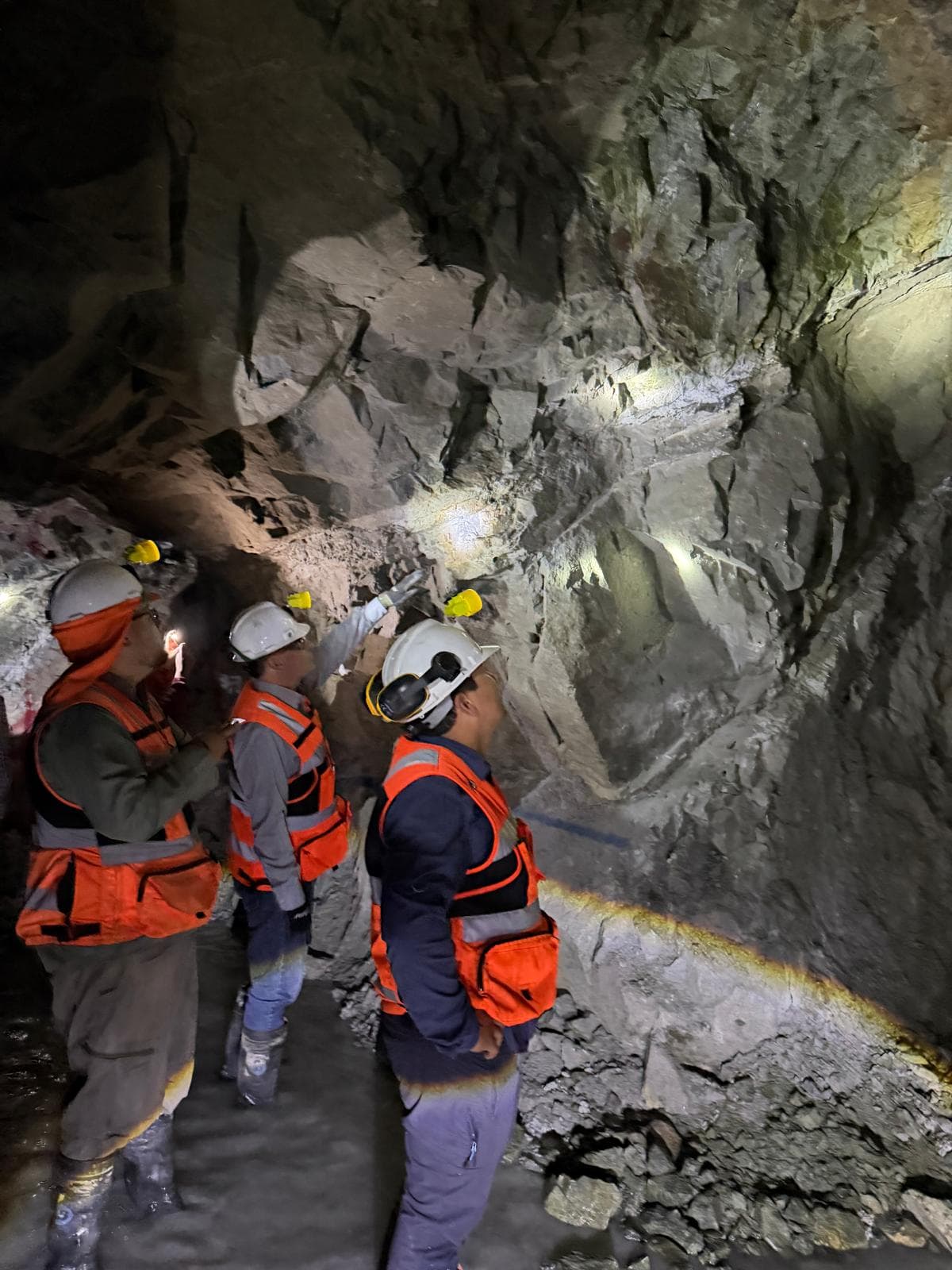
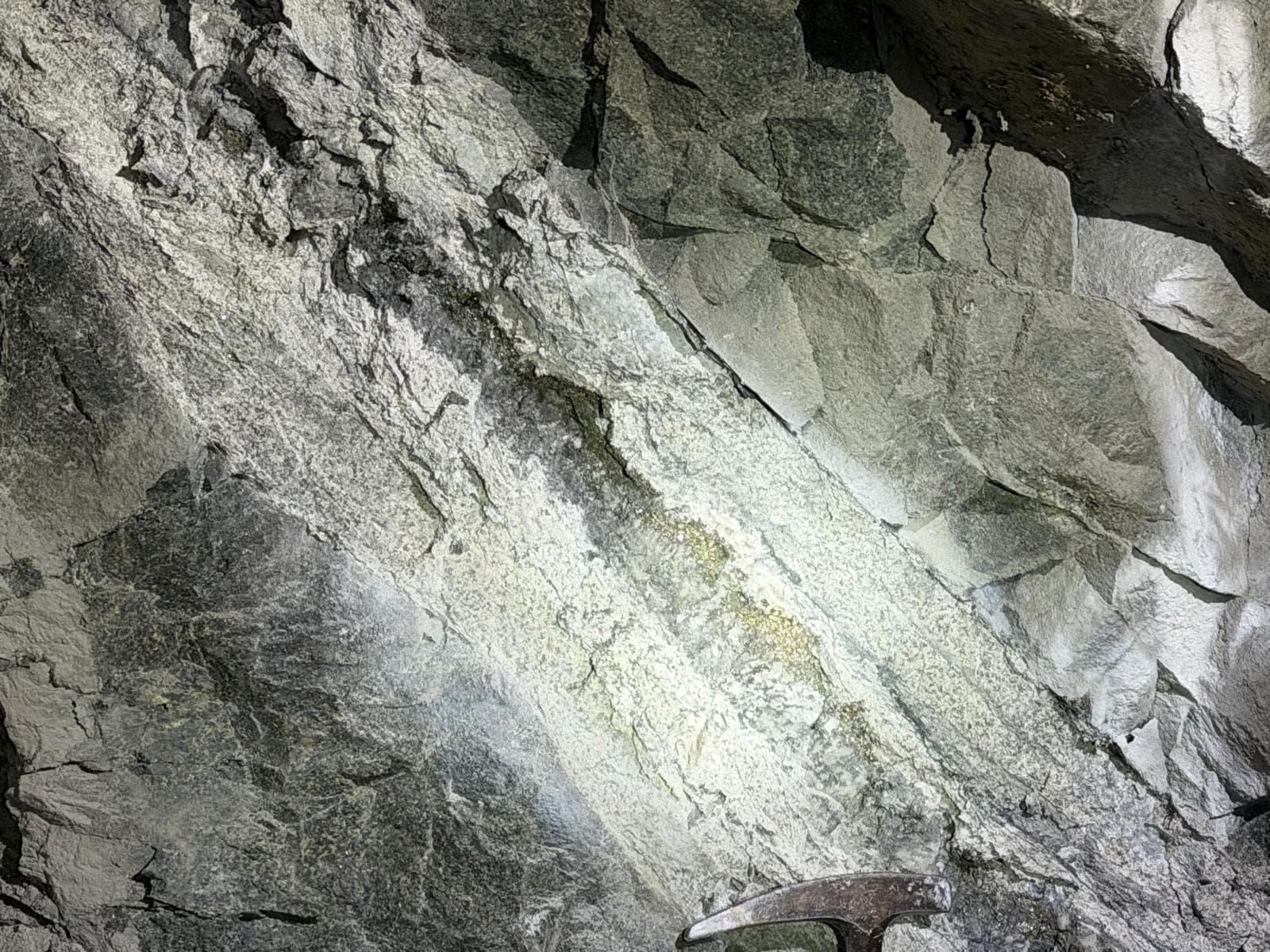
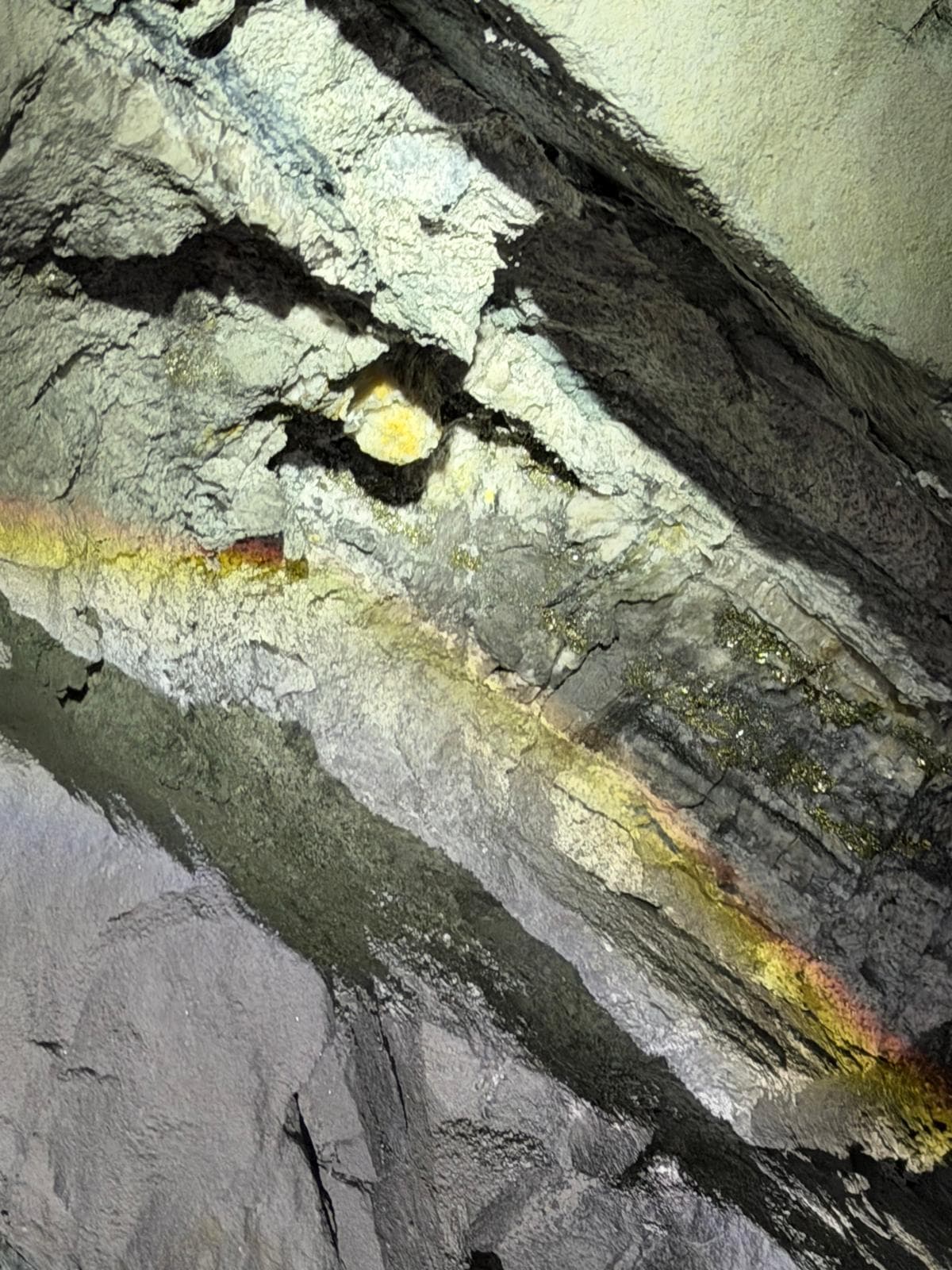
All of these dissolved metals tend to pile up in these SGE Zones usually as “secondary” forms of the original mineral. This happens with gold but more so with copper. The “secondary” forms of copper include super-high-grade forms like chalcocite, bornite, covellite, etc. The regular old boring form of “primary” copper is “chalcopyrite”. You might remember a while back when Maurizio brought a camera crew up to the Antonino Adit; he was super-exited about something. He took a pointer out like a college professor and was pointing out a well-developed structure that appeared to contain a lot of bornite.
A heads up: Early on in the exploration and development process, it is the GEOLOGY that helps lead you to solid investment decisions. This is when the scientists like Mike Gold and EZ have the advantage. One of my mentors always taught us to keep an eye out for any “fatal flaw”. If the junior explorer/developer were fortunate enough to become a JUNIOR PRODUCER then the financial guys are worth listening to, UNLESS IT BECOMES INCREDIBLY OBVIOUS THAT THEY HAVE A FINANCIAL INCENTIVE DIRECTLY CONTRARY TO YOURS.


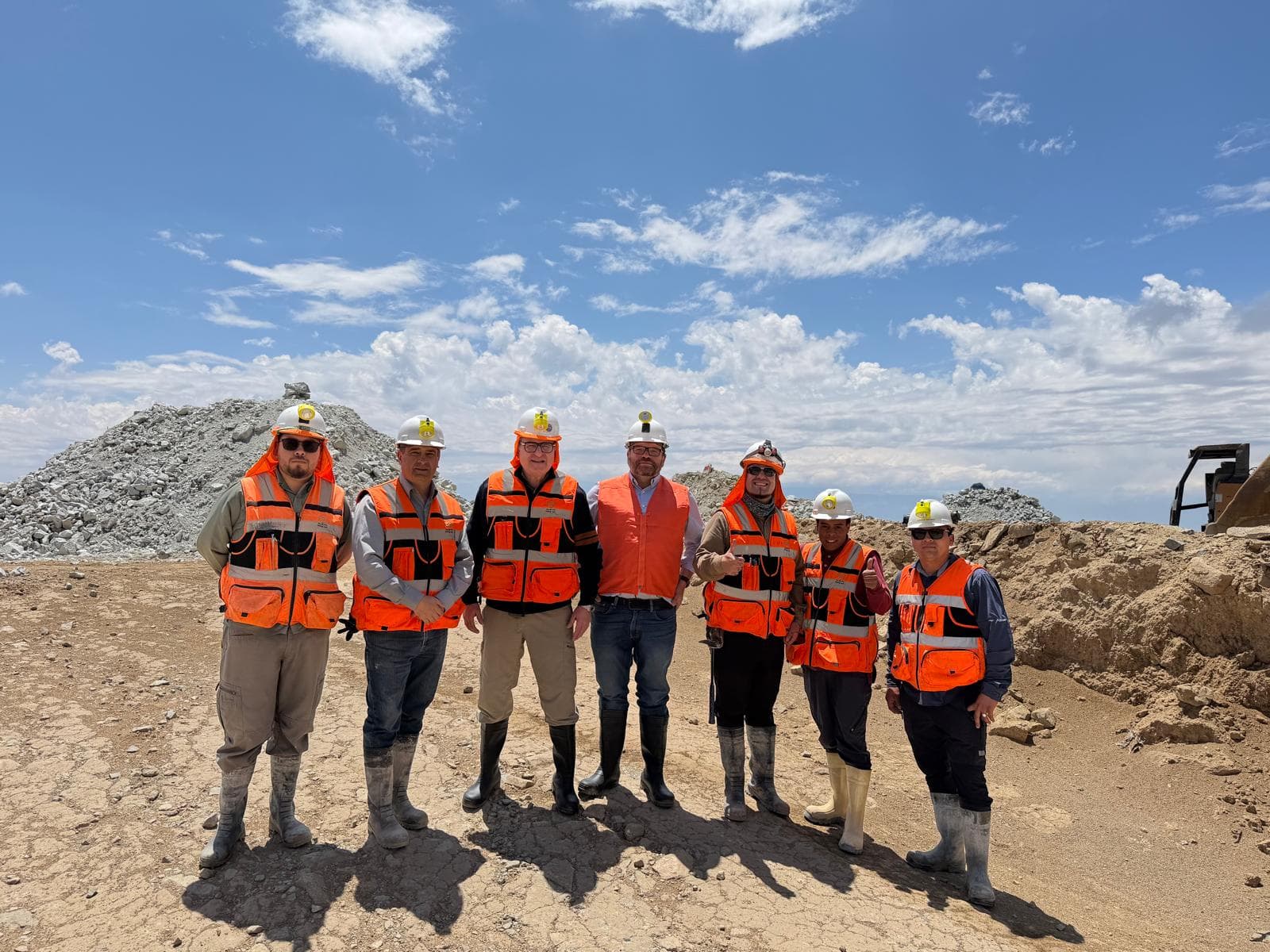
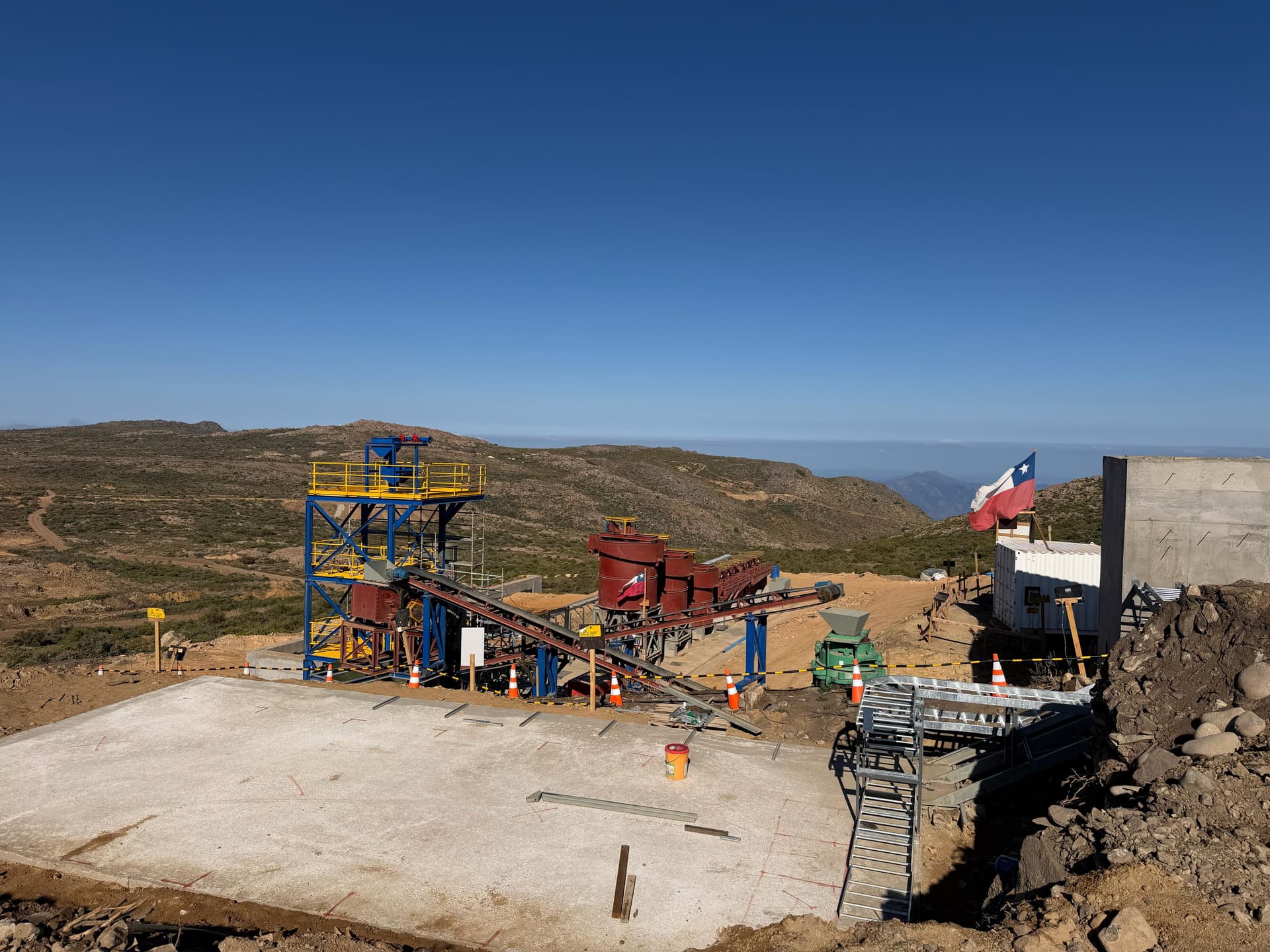
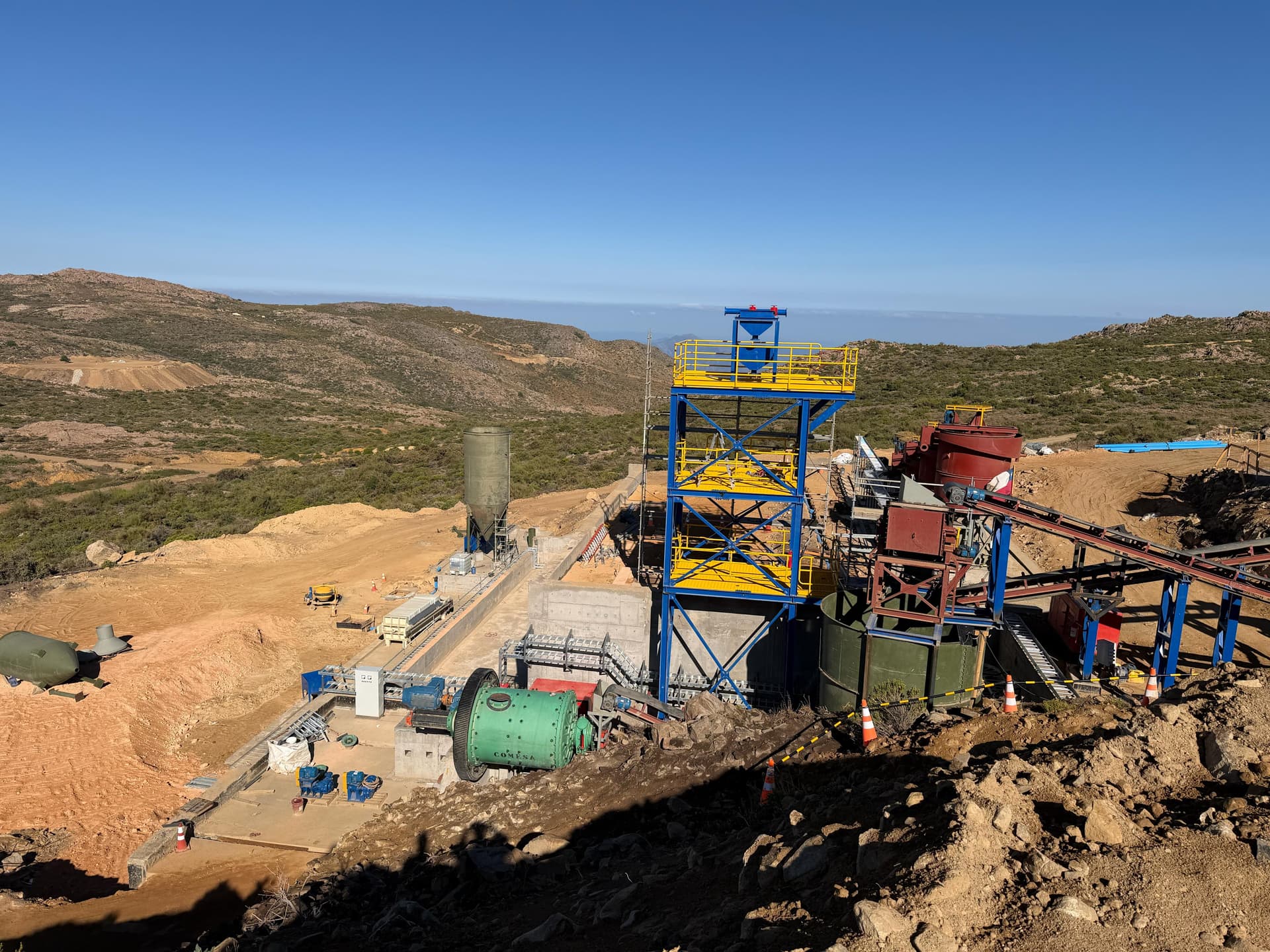
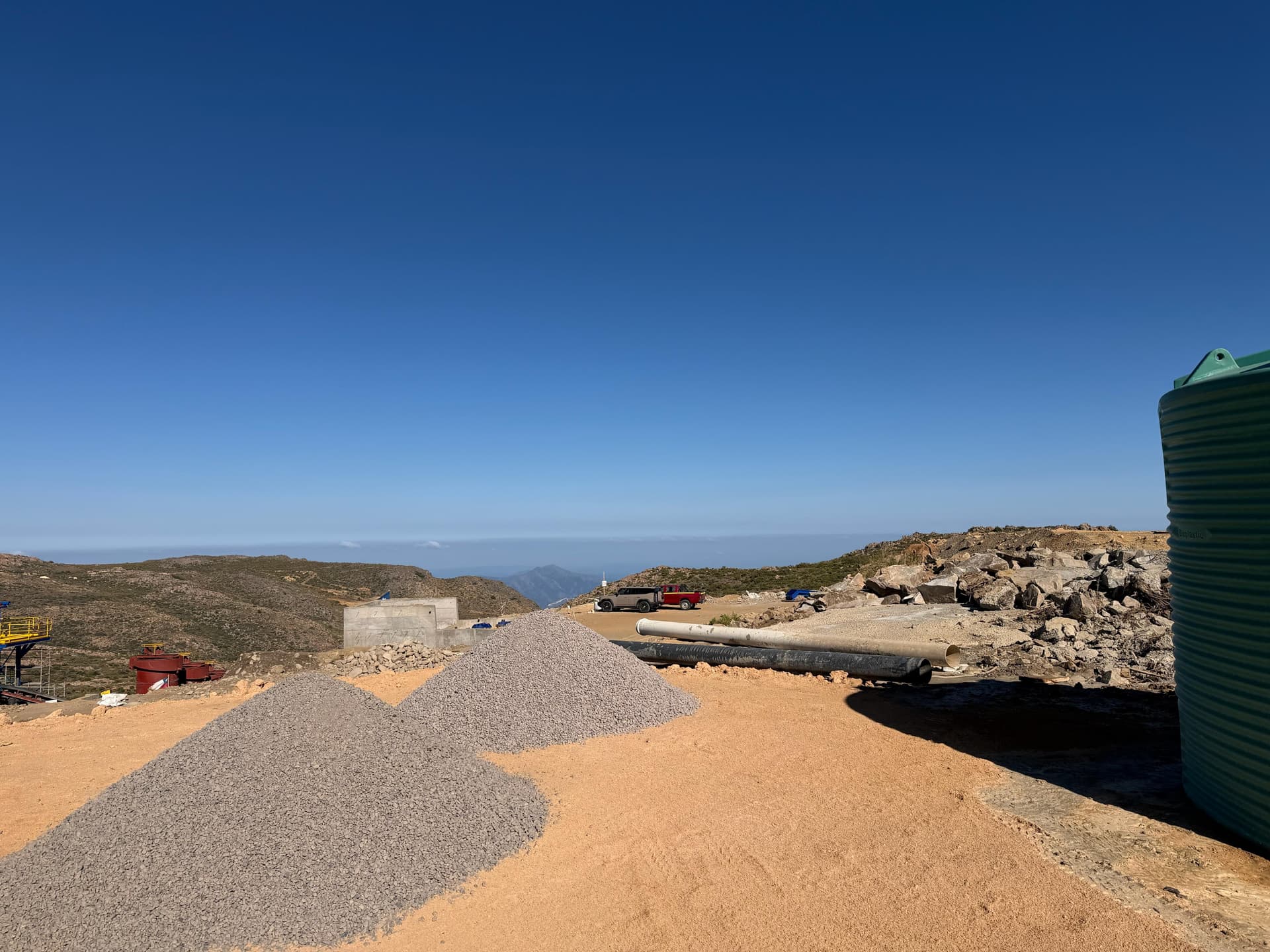


 to keep me attached to this investment. At least it couldn’t be any more of a curse than it already has been.